Dementia Assessments
With new clients, I begin by reviewing medical records before we meet, or in conjunction with your office visit or virtual meetings, to find out what’s already been done with regards to care.
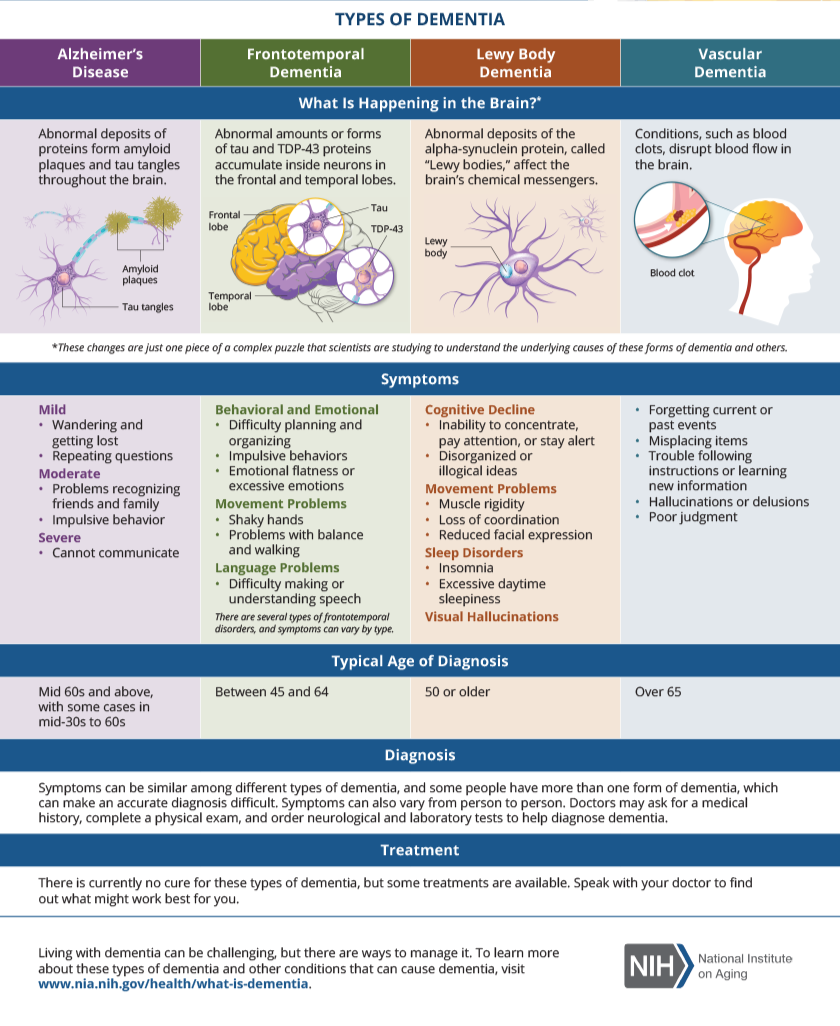
We will identify and discuss the stages and subtypes of different dementias and corresponding implications
Based on the completed care items and the urgency due to the elders’ symptoms, I will recommend a variety of family and professional resources to develop a diagnosis and treatment plan, and manage social and behavioral changes in Alzheimer's Disease and related syndromes.
We will work together to develop strategies for responding to crises.
Cognitive changes in elders always include the possibility of medical conditions and medication side effects. My geriatric medical nurse associate will collaborate with your family’s medical providers, if we think that the cognitive/behavioral changes need attention from your primary care or specialist practitioners.
When there is no medical urgency, I’ll arrange for another associate to conduct cognitive assessments and depression and anxiety screenings.
Dementia management is a team specialty. I’ll bring the professionals; you rally the family members to get involved.
People concerned about an elder’s forgetfulness or personality and behavior changes access the health care system at different points.
Understanding Dementia
While normal aging involves a gradual loss of neurons, dementia leads to a much more significant decline. Neurons become damaged, lose their communication pathways, and ultimately die. Symptoms often begin subtly but worsen as the disease progresses.
Please reference the infographic below from NIH’s National Institute on Aging to learn about the four primary types of dementia.